
Startups today don’t just compete on ideas – they compete on speed. The faster you can build, test, and iterate, the better your chances of survival. That’s where no-code and low-code platforms come in. These tools promise to turn ideas into working products without large engineering teams.
But with so many options available, which ones actually deliver value for startups in tech, AI, and transportation? Let’s break down the platforms that work – and when to use them.
Why No-Code and Low-Code Matter for Startups
No-code and low-code tools allow founders to build apps, automate workflows, and launch MVPs without deep technical expertise. For early-stage startups, this means:
- Lower development costs
- Faster time to market
- Easier experimentation
- Reduced reliance on engineers early on
This is especially important in industries like AI and transportation, where validating ideas quickly can save months of wasted effort.
What to Look for in a Platform
Before jumping into specific tools, it’s important to understand what makes a platform useful:
Flexibility
Can the tool grow with your startup, or will you outgrow it quickly?
Integrations
Does it connect easily with APIs, AI tools, or transportation data sources?
Performance
Will your app handle real users, or is it just for prototypes?
Learning Curve
Can non-technical founders realistically use it?
With that in mind, let’s explore the platforms that stand out.
Webflow: Best for Marketing Sites and MVP Frontends
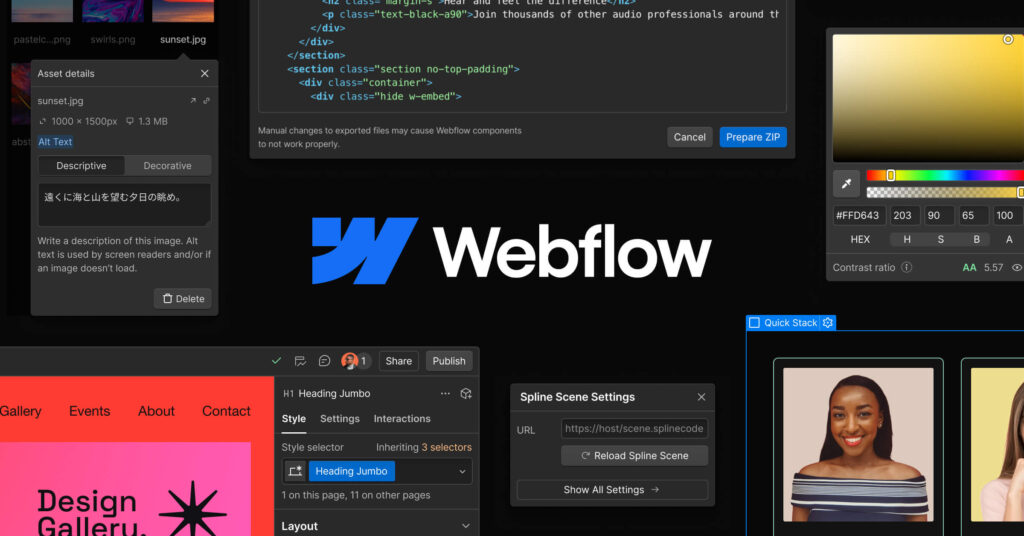
Webflow is one of the most polished no-code tools for building websites and landing pages. For startups, especially in tech and transportation, it’s perfect for launching a professional online presence quickly.
Why it works
- Clean design control without coding
- Built-in CMS for blogs and updates
- Fast hosting and performance
Startups often use Webflow to validate ideas before building full applications. For example, an AI logistics startup might launch a landing page to test demand before developing the product.
Limitations
- Not ideal for complex backend logic
- Limited for full app development
Bubble: Best for Full No-Code Apps

Bubble is one of the most powerful no-code platforms for building full web applications. If you want to create a marketplace, dashboard, or SaaS product without coding, Bubble is a strong contender.
Why it works
- Visual programming for workflows
- Built-in database
- Strong plugin ecosystem
Many early-stage startups use Bubble to build MVPs for AI tools or transportation platforms, such as route optimization dashboards or fleet management tools.
Limitations
- Performance can slow with scale
- Steeper learning curve than simpler tools
FlutterFlow: Best for Mobile Apps
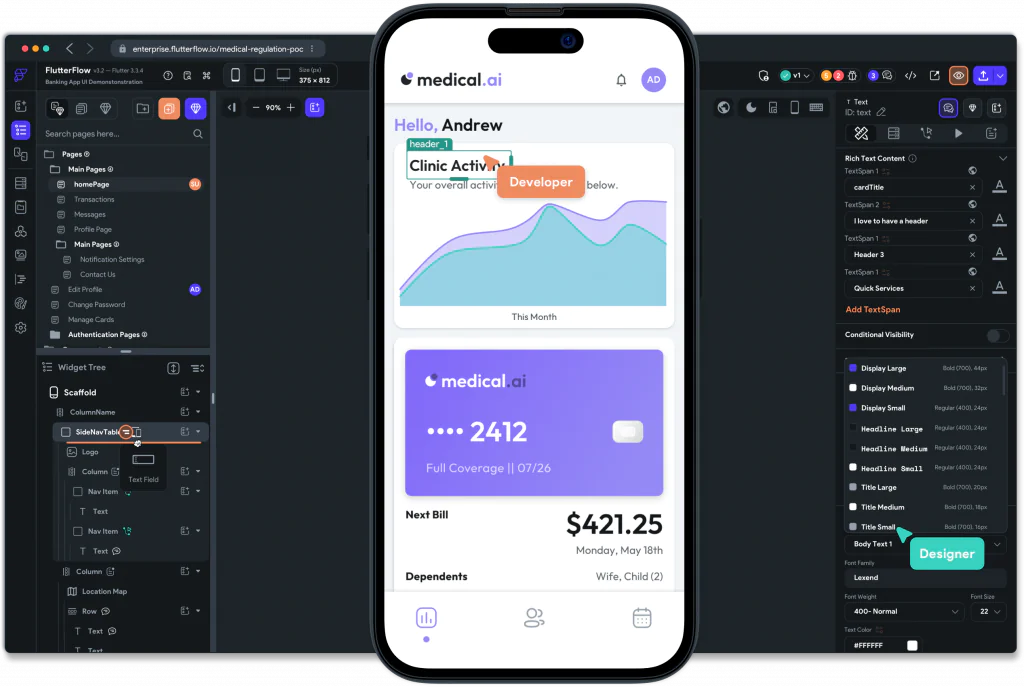
If your startup needs a mobile app – especially in transportation or mobility – FlutterFlow is worth serious consideration.
Why it works
- Builds real native apps using Flutter
- Easy UI design with drag-and-drop
- Can export code if you scale later
This is particularly useful for transportation startups building ride-sharing, delivery, or tracking apps.
Limitations
- Requires some technical understanding
- Backend setup still needed for complex apps
Zapier and Make: Best for Automation
Not all tools are about building apps. Automation platforms like Zapier and Make (formerly Integromat) help startups connect tools and automate workflows.
Why they work
- Connect hundreds of apps
- Automate repetitive tasks
- No coding required
For example, an AI startup can automatically send user data from a form to a CRM, trigger an AI model, and notify the team – all without writing code.
Limitations
- Can become expensive at scale
- Not suitable for core product development
Retool: Best for Internal Tools
Retool is a low-code platform designed for building internal tools quickly. This is especially useful for startups managing operations behind the scenes.
Why it works
- Connects to databases and APIs
- Build dashboards and admin panels fast
- Great for data-heavy startups
Transportation startups, for example, can build internal dashboards to monitor vehicles, routes, and performance metrics.
Limitations
- Not for customer-facing apps
- Requires some technical setup
What Actually Works in Practice
Here’s the reality: no single platform does everything. The most successful startups combine tools.
A common stack might look like:
- Webflow for the website
- Bubble for the MVP
- Zapier for automation
- Retool for internal operations
This modular approach allows startups to move fast without getting locked into one system.
Final Thoughts
No-code and low-code platforms are no longer just “quick hacks.” They are powerful tools that can help startups in AI, technology, and transportation launch faster and smarter.
The key is choosing the right tool for the right job – and knowing when to transition to custom development as you grow.